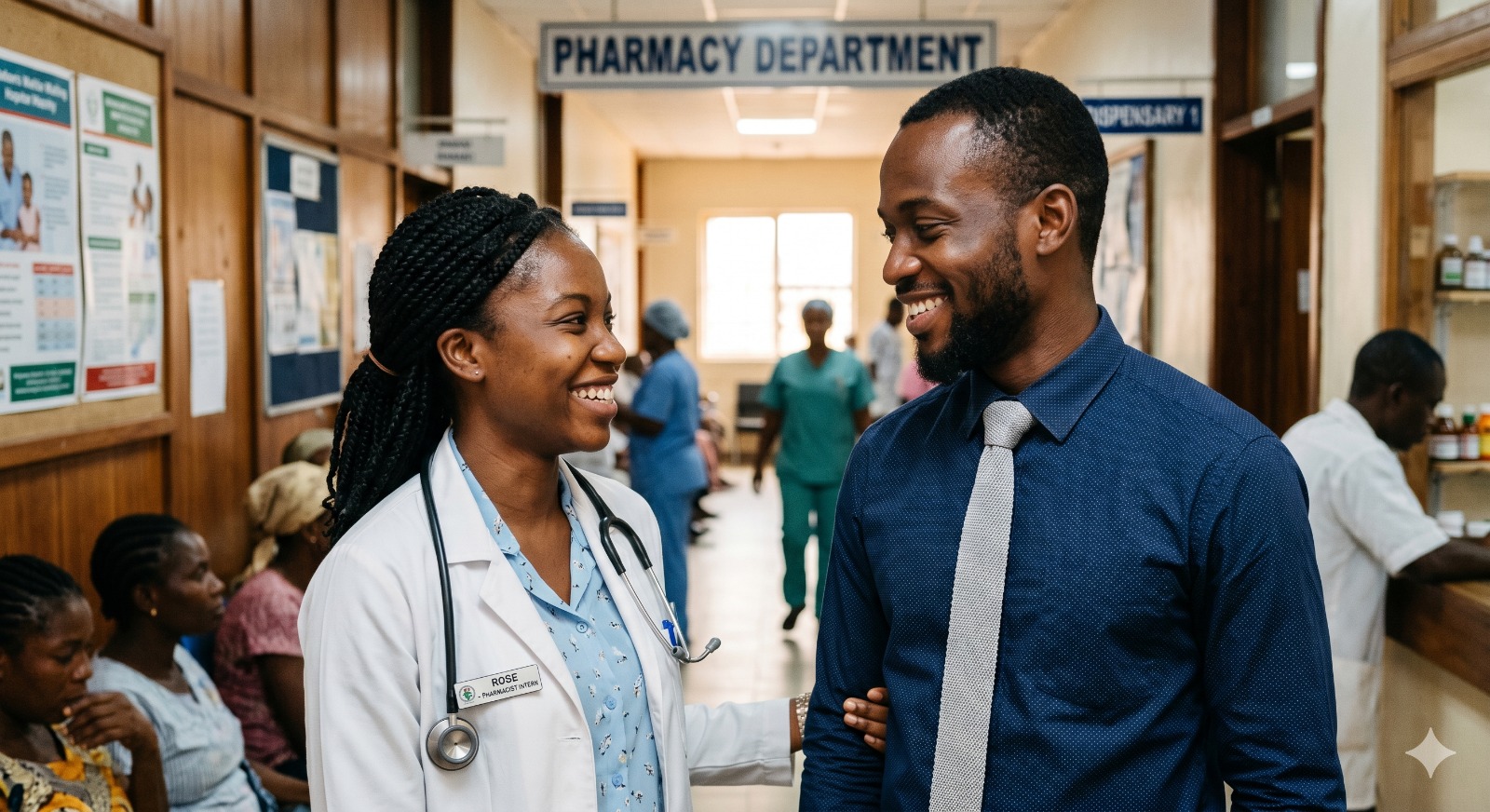
Rose is a bright, young pharmacist — full of laughter, ambition, and dreams of a beautiful future. During her internship at a hospital, she met Williams, a kind-hearted accountant with a warm smile. Their friendship grew into love, and soon they were inseparable — building dreams of marriage, career, and a happy home filled with children.
Life seemed perfect — until one quiet evening, a realization hit Rose. Her menstrual cycle had never been delayed. She and Williams hadn't been using protection, yet month after month, pregnancy never came. When she mentioned it, Williams smiled gently and said, "Don't worry, it'll happen when it's time."
But Rose couldn't silence her unease. Deep down, she felt something wasn't right.
When she finally visited her gynecologist, a series of hormonal tests revealed the unexpected — her prolactin levels were dangerously high, leading to a diagnosis of hyperprolactinaemia, a condition that can quietly block fertility without obvious symptoms. Rose had no warning signs — no irregular periods, no visible changes. It was a hidden storm brewing beneath the facade of perfect health.
Her doctor prescribed Bromocriptine to restore hormonal balance, but the treatment came with pounding headaches, nausea, and emotional exhaustion. Each day became a test of faith and endurance.
The Emotional Toll
Emotionally, Rose began to unravel. The fear of never becoming a mother, the stress of treatment, and the uncertainty about her future began to weigh heavily on her mental health. What she didn't know then — and what so many young women overlook — is that reproductive health is deeply connected to emotional well-being. The mind and hormones often dance together, and imbalance in one can unsettle the other.
After two long, difficult years, Rose's miracle arrived. Just a month after her wedding, she conceived and gave birth to a healthy baby girl. But the joy of motherhood was shadowed by new struggles — mood swings, anxiety, irritability, memory lapses. Eventually, she was diagnosed with postnatal depression. Her baby suffered neglect. Her depressed state stirred inadequacies that almost hampered the baby's growth.
With therapy and support, Rose began her journey toward healing. But within two years, she experienced three painful miscarriages and was later diagnosed with Fetal Wastage Syndrome — a condition caused by a mix of genetic, endocrine, and autoimmune factors.
How PHAF Could Have Helped
If Rose had known the importance of routine hormonal checkups, emotional wellness assessments, and preconception education in her early twenties, many of her struggles might have been prevented or managed differently. At PHAF, we advocate for comprehensive preconception counseling that includes:
- Regular gynecological and hormonal evaluations for young adults
- Emotional wellness and reproductive psychology support
- Genetic counseling to prepare the body and mind for healthy conception and a thriving lifestyle
Every woman deserves to be informed. Every child deserves a healthy beginning.